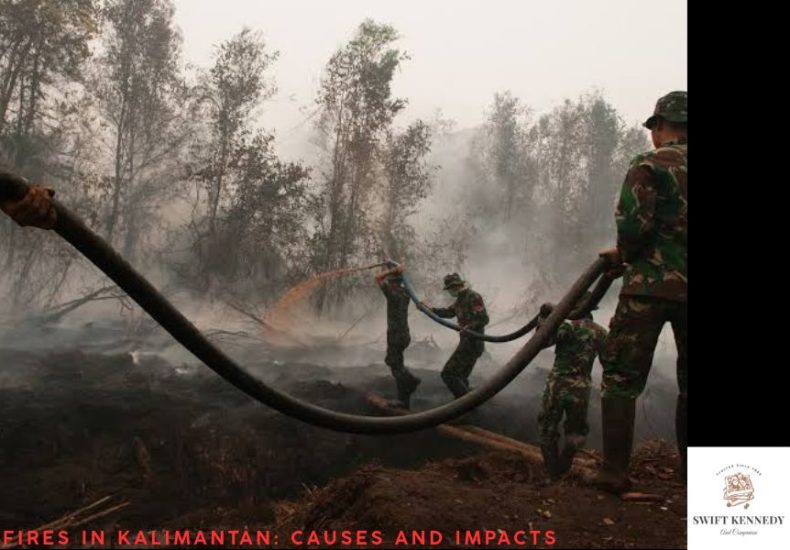
Fires in Kalimantan: Causes and Impacts
Fires in Kalimantan: Causes, Impacts, and Prevention
Forest fires in Kalimantan, Indonesia, remain a serious environmental concern. The island of Borneo, which Kalimantan shares with Malaysia and Brunei, contains extensive tropical forests, peatlands, and diverse wildlife habitats. When fires spread through these ecosystems, they can damage the environment, threaten communities, and contribute to air pollution.
Causes of Fires in Kalimantan
Several factors contribute to forest and land fires in Kalimantan. Human activities and dry weather conditions often combine to increase the risk of large-scale fires.
Land Clearing and Agricultural Activities
Land clearing is one of the major causes of fires in the region. Some landowners and agricultural operators use fire to clear vegetation before planting crops. Although burning may appear inexpensive, uncontrolled flames can spread into surrounding forests and peatlands.
Dry Weather and Peatland Fires
During prolonged dry periods, vegetation becomes more vulnerable to ignition. Peatlands are particularly sensitive because their underground layers of partially decomposed organic material can burn for extended periods. These fires are difficult to extinguish and may produce significant amounts of smoke.
Environmental Impacts of Forest Fires
Fires in Kalimantan can cause extensive environmental damage, especially when they affect natural forests and peatland ecosystems.
Wildlife and Habitat Destruction
Kalimantan is home to endangered species, including orangutans, whose survival depends on healthy forest habitats. Forest fires destroy food sources, shelter, and breeding areas. Wildlife may be injured, displaced, or forced into areas closer to human settlements.
Air Pollution and Climate Change
Smoke from forest fires can reduce air quality across large areas. Fine particles in the air may cause breathing difficulties and worsen existing respiratory conditions. Fires involving peatlands also release substantial quantities of stored carbon dioxide, contributing to global climate change.
Economic and Social Consequences
Forest fires can disrupt daily life and local economic activities. Schools may close during severe haze episodes, transportation can become more difficult, and outdoor workers may face health risks.
Agriculture, tourism, and other local industries can also suffer financial losses. Communities that depend on forests for food, income, and natural resources may experience long-term consequences.
How to Prevent Fires in Kalimantan
Strengthening Forest Protection
Preventing fires requires cooperation between government agencies, local communities, businesses, and environmental organizations. Effective measures include monitoring fire-prone areas, enforcing restrictions on illegal burning, and improving early detection systems.
Restoring Peatlands and Raising Awareness
Restoring degraded peatlands and maintaining suitable water levels can reduce their vulnerability to fire. Community education is equally important because responsible land management helps prevent accidental and deliberate burning.
Conclusion
Fires in Kalimantan are a major environmental challenge with consequences for forests, wildlife, public health, and the climate. Stronger prevention strategies, responsible land management, and community participation are essential to reducing fire risks and protecting the island’s natural heritage for future generations.
read more : Anak Krakatau Eruption: Latest News