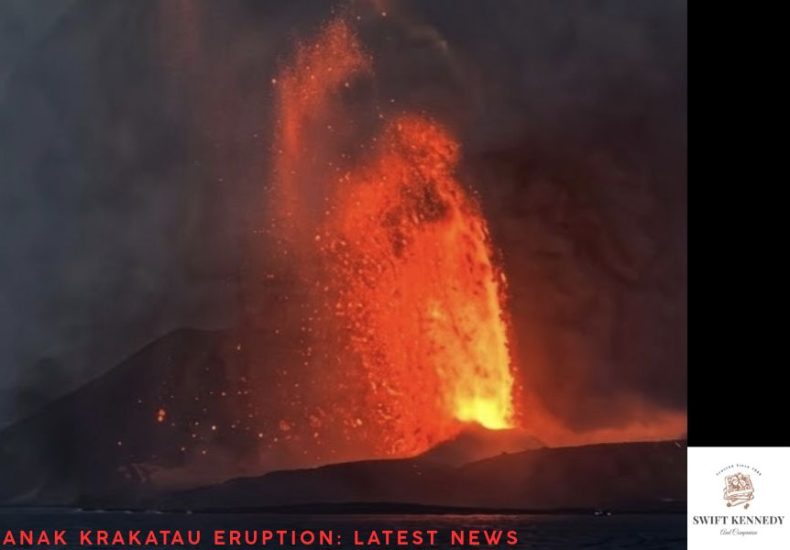
Anak Krakatau Eruption: Latest News
Anak Krakatau Eruption: Latest News and Safety Update
The eruption of Anak Krakatau volcano in Indonesia has drawn attention to volcanic hazards in the Sunda Strait. Located between Java and Sumatra, the active volcano is known for its frequent eruptions and changes to the surrounding landscape. Its volcanic activity requires continuous monitoring to protect nearby communities, maritime activities, and the environment.
According to reports published in October 2026, Anak Krakatau erupted on October 9, producing an ash column that reached approximately 250 meters above the summit. The eruption highlights the importance of following official safety instructions and monitoring volcanic conditions.
Latest Anak Krakatau Volcanic Activity
Ash Emissions and Eruptions
Volcanic eruptions can release ash, gases, and fragments of hot rock into the atmosphere. During the October 9 event, authorities reported a thick, gray-to-black ash column moving toward the north and northwest.
Volcanic ash can affect air quality, visibility, and aviation operations, depending on the eruption’s intensity and wind direction. Residents and travelers should rely on official announcements for information about potential impacts.
Changes to the Surrounding Landscape
Anak Krakatau continues to reshape its surroundings through the accumulation of volcanic material and lava flows. Recent reports have described new land formations and an expansion of the volcanic island, demonstrating how eruptions can alter coastal and marine environments.
Reuters
Impacts of the Anak Krakatau Eruption
Environmental and Public Health Risks
Volcanic ash can irritate the eyes and respiratory system, particularly among children, older adults, and people with existing breathing problems. Ash deposits may also affect vegetation, water supplies, and nearby infrastructure.
Authorities monitor volcanic emissions and atmospheric conditions to assess possible risks to surrounding areas.
Risks to Coastal Communities
Anak Krakatau is located in the Sunda Strait, where volcanic activity can pose hazards to marine transportation and nearby coastal communities. Although eruptions do not automatically cause tsunamis, significant underwater disturbances or volcanic flank collapses can generate dangerous waves.
Residents should avoid spreading unverified information and follow official instructions during emergencies.
Safety Measures and Government Monitoring
Following Official Warnings
The Indonesian Geological Agency monitors Anak Krakatau through visual observations and seismic instruments. Residents, fishermen, and tourists should respect restricted zones and avoid approaching the volcano without authorization.
During ashfall, people should limit outdoor activities and wear a suitable mask if exposure cannot be avoided. Boats and aircraft should follow relevant safety advisories.
Preparing for Volcanic Emergencies
Communities should prepare emergency supplies, identify evacuation routes where necessary, and remain informed through official disaster management announcements. Timely information helps reduce confusion and supports safer decisions during changing volcanic conditions.
Conclusion
The Anak Krakatau eruption remains an important natural hazard to monitor in Indonesia. Recent activity reported in October 2026 demonstrates the volcano’s continuing ability to produce ash emissions and reshape its surroundings. Public awareness, scientific monitoring, and compliance with safety recommendations are essential to reducing risks and protecting communities.
Editorial note: Check the latest official volcanic alert level before publication, as conditions and safety recommendations can change rapidly.
Read More : Forest and Land Fires in Bandung