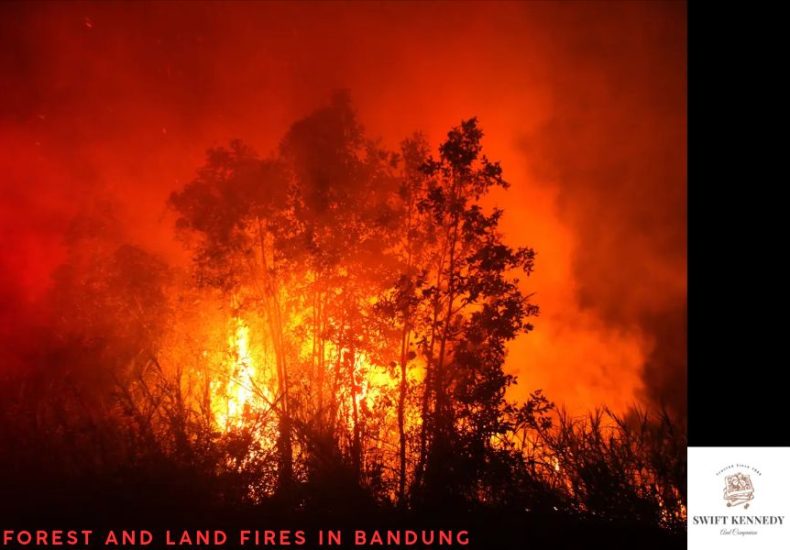
Forest and Land Fires in Bandung
Forest and Land Fires in Bandung: Causes and Prevention
Forest and land fires are environmental concerns that can affect Bandung and its surrounding areas in West Java, Indonesia. The region includes forested mountains, agricultural land, grasslands, and areas of dry vegetation that may become vulnerable to fires during prolonged dry weather. These incidents can threaten ecosystems, disrupt local activities, and affect public health.
Causes of Forest and Land Fires in Bandung
Forest and land fires can occur because of human activities, environmental conditions, and inadequate land management. Understanding these causes is essential for developing effective prevention strategies.
Human Activities and Land Clearing
Human activities are among the potential causes of vegetation fires. Burning agricultural waste, clearing land with fire, discarding cigarette butts carelessly, and leaving campfires unattended can ignite dry vegetation. Under unfavorable weather conditions, small fires may spread rapidly into surrounding areas.
Public awareness and responsible behavior are important to reduce the risk of accidental and deliberate fires.
Dry Weather and Strong Winds
During the dry season, grass, leaves, and other vegetation can lose moisture and become highly flammable. Strong winds may accelerate the spread of flames, making fires more difficult to control, particularly on hillsides and near forest boundaries.
Environmental Impacts of Fires
Forest and land fires can damage natural ecosystems and create problems for nearby communities.
Damage to Forests and Wildlife
Fires can destroy vegetation, reduce biodiversity, and damage habitats used by birds, mammals, insects, and other wildlife. Repeated fires may also weaken the ability of forests to recover naturally.
In mountainous areas around Bandung, vegetation loss can contribute to soil erosion and increase the vulnerability of damaged land to further environmental degradation.
Air Pollution and Public Health
Smoke from burning vegetation contains fine particles and other pollutants that can reduce air quality. Exposure may cause eye irritation, coughing, breathing difficulties, and worsening symptoms for people with respiratory conditions.
Children, older adults, and people with existing health problems may be particularly vulnerable during severe smoke events.
How to Prevent Forest and Land Fires in Bandung
Strengthening Community Awareness
Residents can help prevent fires by avoiding open burning, properly disposing of cigarette butts, and reporting smoke or unattended flames to the appropriate authorities. Educational campaigns can encourage safer practices among residents, farmers, and visitors to recreational areas.
Improving Monitoring and Land Management
Local authorities can strengthen fire monitoring, maintain access routes for emergency response, and coordinate with communities to identify fire-prone locations. Restoring damaged vegetation and managing dry plant material responsibly can also help reduce fire risks.
Conclusion
Forest and land fires in Bandung pose potential threats to environmental quality, wildlife, and community well-being. Prevention requires cooperation between residents, local authorities, and land managers. Through responsible land use, early detection, and public education, Bandung can reduce fire risks and protect its natural environment for future generations.