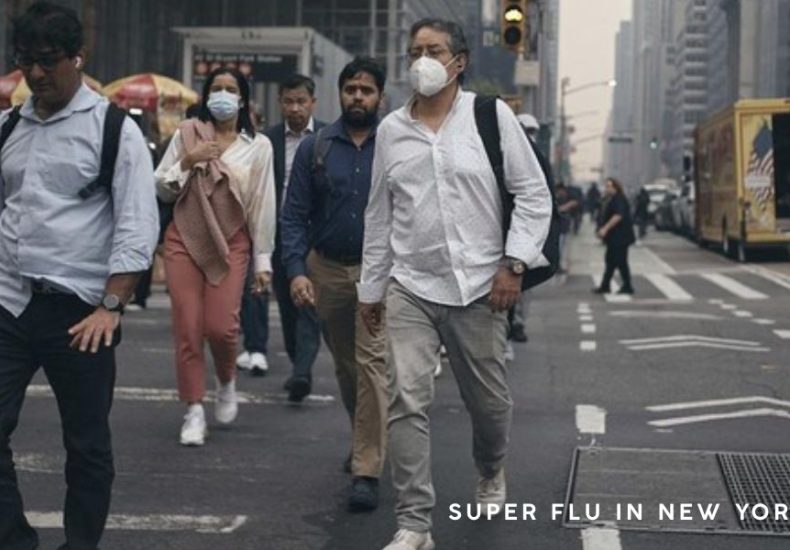
“Super Flu” Cases Surge in New York Hospitals
Introduction
Reports of super flu in New York have raised serious concern as hospitals record a sharp increase in emergency department visits. Health authorities note that the number of people seeking urgent care for severe flu-like symptoms has reached its highest level in the past ten years. The surge places significant pressure on healthcare facilities and highlights the ongoing challenges of seasonal and viral outbreaks in major cities.


4
Rising Emergency Room Visits
Record-High Numbers
Hospitals across New York City report a dramatic rise in emergency room admissions linked to flu complications. Medical staff observe that many patients arrive with high fever, severe fatigue, respiratory distress, and dehydration. Compared to previous flu seasons, the intensity and volume of cases stand out.
Health officials describe this wave as “super flu” due to the combination of high transmission rates and more severe symptoms among vulnerable groups, including older adults and individuals with chronic conditions.
Strain on Healthcare Services
The surge in cases forces hospitals to activate contingency plans. Emergency departments operate at near-capacity levels, while healthcare workers face longer shifts and heavier workloads. Some facilities prioritize high-risk patients to ensure critical care remains available.
What Makes the “Super Flu” Different
Stronger Symptoms
Doctors explain that this season’s flu appears more aggressive than usual. Patients often experience prolonged fever, muscle pain, and respiratory complications that require medical attention. The overlap of flu with other respiratory illnesses further complicates diagnosis and treatment.
Rapid Spread in Urban Areas
Dense population and frequent public interaction contribute to faster transmission. In a city as active as New York, crowded public transport and indoor gatherings accelerate the spread of infection during peak flu season.
Public Health Response
Prevention and Awareness
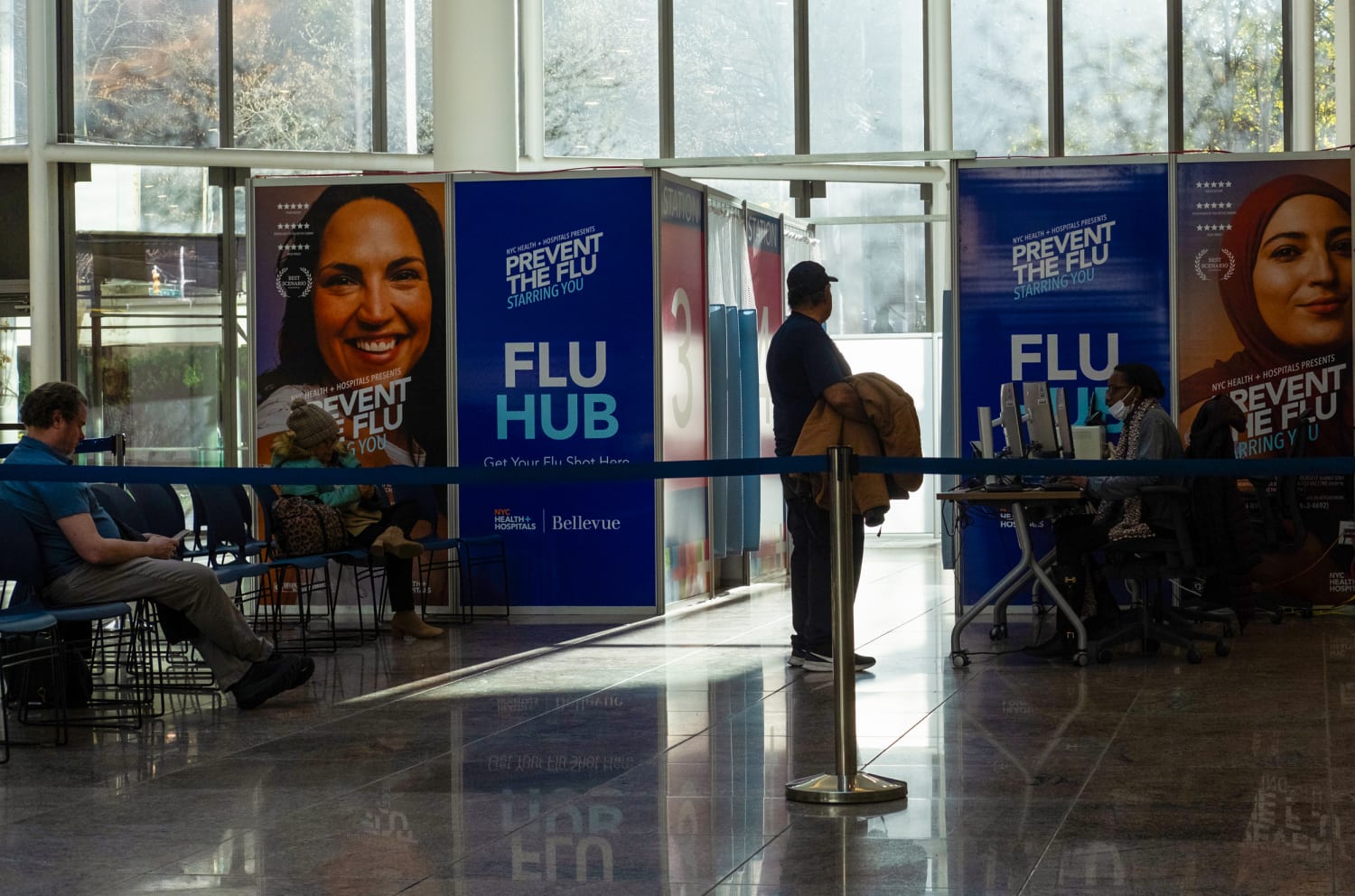
Public health agencies urge residents to take preventive measures seriously. They recommend flu vaccination, frequent handwashing, and wearing masks in crowded indoor spaces. Early medical consultation remains crucial, especially for those experiencing worsening symptoms.
Monitoring the Situation
Health officials continue to monitor trends closely. Data from hospitals help authorities adjust public health guidance and prepare additional resources if needed.
Conclusion
The rise of super flu in New York marks a significant public health challenge, with emergency room visits reaching a decade-high level. As hospitals manage increased demand, prevention and early treatment remain key to reducing severe outcomes. The situation serves as a reminder of how quickly seasonal illnesses can escalate in large urban centers.
Read More : The Importance of Preventive Healthcare for Women in Indonesia